


New Arrivals
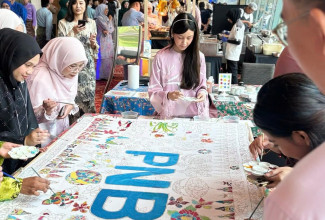
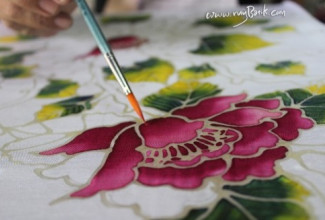
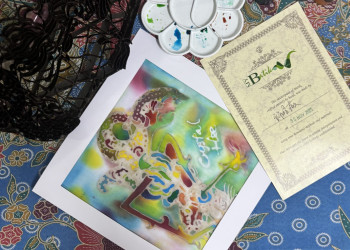
Step Into Style - Explore Our Latest Batik Collection & Art Activities! Ready Stock and ship Immediate.
Fair price, Direct from the workshop

0
257
What Is Traditional Malay Shadow Puppetry?
Traditional Malay shadow puppetry is called Wayang Kulit, a classical performing art found in Malaysia, Indonesia, and other parts of Southeast Asia.
? Wh..
0
188
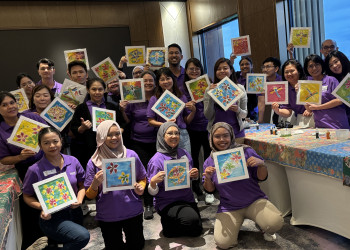
Who knew accountants could be this fun? A joyful moment with the Siemens Energy finance crew!
..
0
175
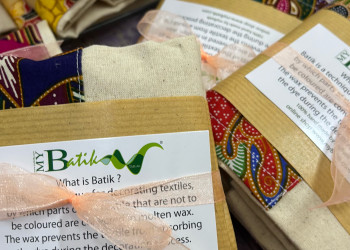
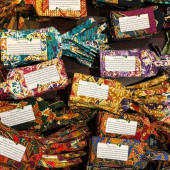
sustainable & recycle Tote Bag with Batik Pocket !
A sustainable, recyclable tote bag with a batik pocket makes an excellent corporate gift choice for several strong reasons:
1. It reflects corp..
0
237
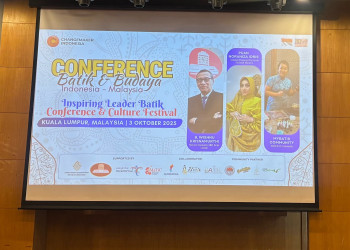
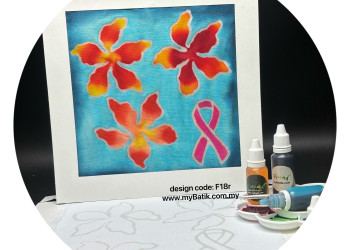
What is Pink October?
Pink October is a global campaign held every October to raise awareness about breast cancer — its prevention, early detection, and support for those affected.
It’s often cal..
0
469
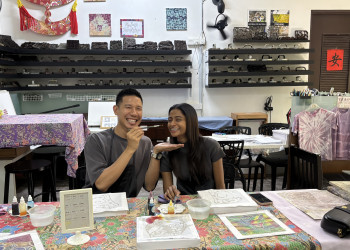
Batik painting can be a great activity for couples on a date for several reasons:
1. Creative Bonding Experience
Collaborative Fun: Couples can work together on a single piece or create ind..
0
415
Batik C.S.R Video
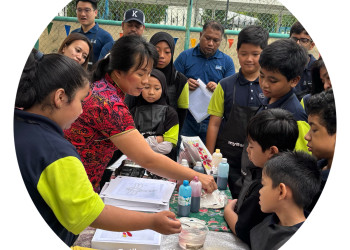
Another Meaningful CSR Batik Project Sponsored by Zantat for Children with Dyslexia
Zantat proudly continues its commitment to community engagement by sponsoring another inspir..
0
391
Microsoft Ai Raya Open House Video
Microsoft Ai Raya Batik Making Proces Video
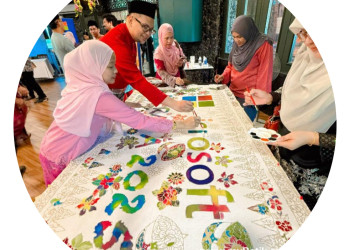
Why Batik Painting Is Perfect for a Raya Open House
Adding a Batik Painting activity to your Raya Open House brings to..
myBatik services
 Title
Title
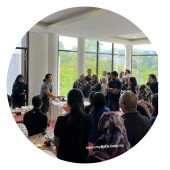 TikTok Batik Painting Contest
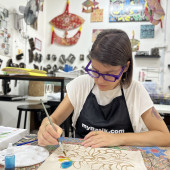 Corporate Team Building Activity
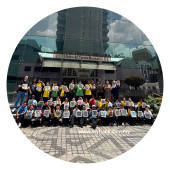 Batik Field Trip
 Batik Charity